

Ransack Viking
New Member
I’ve always found the seax interesting because it was more than just a Viking-style blade. It was part of everyday life across the Germanic world, and the surviving designs show just how much variation existed in something people often group under one name.
One detail I think is worth paying attention to is the blade profile. A broken-back seax has a spine that runs straight before dropping at an angle toward the point, while straight-back examples have a different, simpler outline. If you’re comparing modern reproductions, looking at that shape is a good starting point rather than relying on the word “Viking” in a product title.
Steel is another thing worth thinking about. High-carbon steel can be a sensible choice for someone who wants a traditional working blade and straightforward sharpening. Damascus steel offers a distinctive layered pattern, but it still needs proper care. Neither should automatically be treated as rustproof, so drying the blade after use and applying a light coat of suitable oil matters.
I’d also check the handle construction, overall dimensions and sheath quality before choosing one. A beautiful blade is only part of the picture, and the right size depends on whether you’re interested in historical collecting, reenactment, display or practical utility.
I put togeth
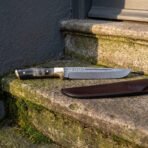 er a more detailed guide covering seax history, the main blade styles, steel choices, handle materials and basic maintenance. If you’re interested in the subject, you can read it here:
Seax Buyer’s Guide: https://ransackviking.com/viking-seax-knife-guide
Viking Seax Collection: https://ransackviking.com/product-category/viking-seax
I’d be interested to hear from other collectors and history enthusiasts here. Do you prefer the broken-back profile, or do you find the straight-back style more appealing? And when choosing a reproduction, how much weight do you give to historical accuracy compared with materials and build quality?
Thanks for reading, and I hope the guide is useful to anyone researching seax knives.
One detail I think is worth paying attention to is the blade profile. A broken-back seax has a spine that runs straight before dropping at an angle toward the point, while straight-back examples have a different, simpler outline. If you’re comparing modern reproductions, looking at that shape is a good starting point rather than relying on the word “Viking” in a product title.
Steel is another thing worth thinking about. High-carbon steel can be a sensible choice for someone who wants a traditional working blade and straightforward sharpening. Damascus steel offers a distinctive layered pattern, but it still needs proper care. Neither should automatically be treated as rustproof, so drying the blade after use and applying a light coat of suitable oil matters.
I’d also check the handle construction, overall dimensions and sheath quality before choosing one. A beautiful blade is only part of the picture, and the right size depends on whether you’re interested in historical collecting, reenactment, display or practical utility.
I put togeth
Seax Buyer’s Guide: https://ransackviking.com/viking-seax-knife-guide
Viking Seax Collection: https://ransackviking.com/product-category/viking-seax
I’d be interested to hear from other collectors and history enthusiasts here. Do you prefer the broken-back profile, or do you find the straight-back style more appealing? And when choosing a reproduction, how much weight do you give to historical accuracy compared with materials and build quality?
Thanks for reading, and I hope the guide is useful to anyone researching seax knives.