

Black Mamba Knives
Member
Been seeing more of it lately at shows and on marketplace listings. Acid etched pattern that sits on the surface, sometimes you can even catch it fading near the bevel where the grind went past the etch. At a glance it fools a lot of buyers, and honestly it fools some sellers too who genuinely think they are holding pattern welded steel.
The checks I fall back on:
Look at the spine and the choil. Real pattern welded steel shows the layers continuing through the whole body of the blade, not just the flats. If the pattern stops at the edge of the bevel, it was put on, not forged in.
Check both faces of the blade. A forged billet never comes out identical on both sides. If the pattern is mirror perfect or repeats at a regular interval, it came from one file, not from the anvil.
The sharpening test, if you already own the knife. A few strokes on a stone and real Damascus keeps showing structure in the fresh bevel because the layers are the steel itself. Printed stuff just comes up bright and plain, and never gets the pattern back.
The one that gets me is the sellers who do not even know. Had a guy at a flea market swear his was hand forged, turned out to be a printed 440C knife from a wholesale lot. He was not scamming anyone on purpose, he had just never been shown the difference.
I have been pointing people at a breakdown that covers these checks in more detail, in case anyone wants something to send to customers who ask:
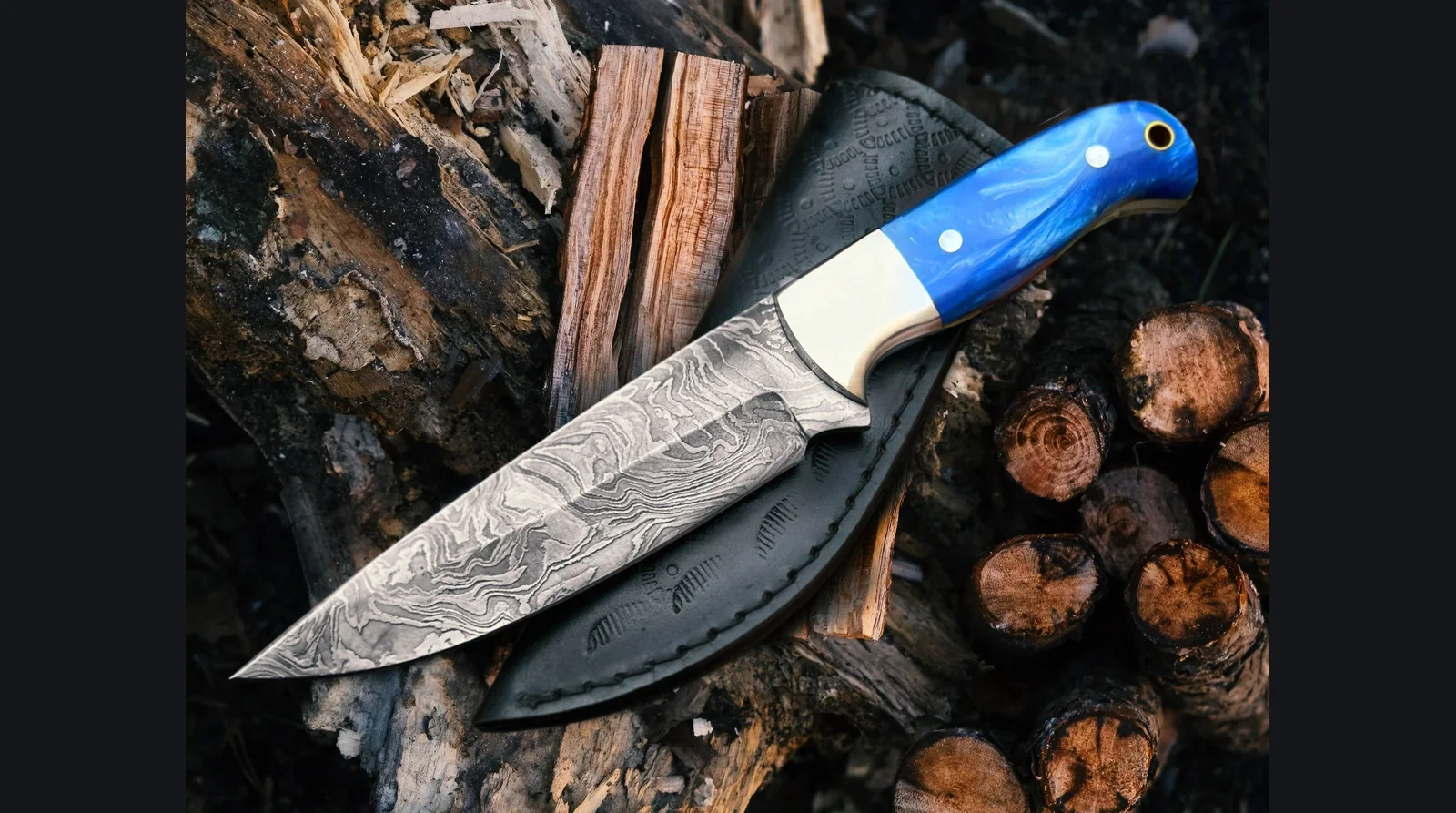
 blackmambaknives.com
Genuinely curious how the makers here handle it. Do you explain it to a customer when they bring in a fake for comparison, or just let it go? And has anyone seen an etched pattern good enough to pass all the checks? That would worry me more than the obvious stuff.
blackmambaknives.com
Genuinely curious how the makers here handle it. Do you explain it to a customer when they bring in a fake for comparison, or just let it go? And has anyone seen an etched pattern good enough to pass all the checks? That would worry me more than the obvious stuff.
The checks I fall back on:
Look at the spine and the choil. Real pattern welded steel shows the layers continuing through the whole body of the blade, not just the flats. If the pattern stops at the edge of the bevel, it was put on, not forged in.
Check both faces of the blade. A forged billet never comes out identical on both sides. If the pattern is mirror perfect or repeats at a regular interval, it came from one file, not from the anvil.
The sharpening test, if you already own the knife. A few strokes on a stone and real Damascus keeps showing structure in the fresh bevel because the layers are the steel itself. Printed stuff just comes up bright and plain, and never gets the pattern back.
The one that gets me is the sellers who do not even know. Had a guy at a flea market swear his was hand forged, turned out to be a printed 440C knife from a wholesale lot. He was not scamming anyone on purpose, he had just never been shown the difference.
I have been pointing people at a breakdown that covers these checks in more detail, in case anyone wants something to send to customers who ask:
How to Tell Real Damascus from a Printed Pattern
Four checks that separate forge-welded Damascus from surface-etched imitations, and what to look for in a listing before you buy.
blackmambaknives.com